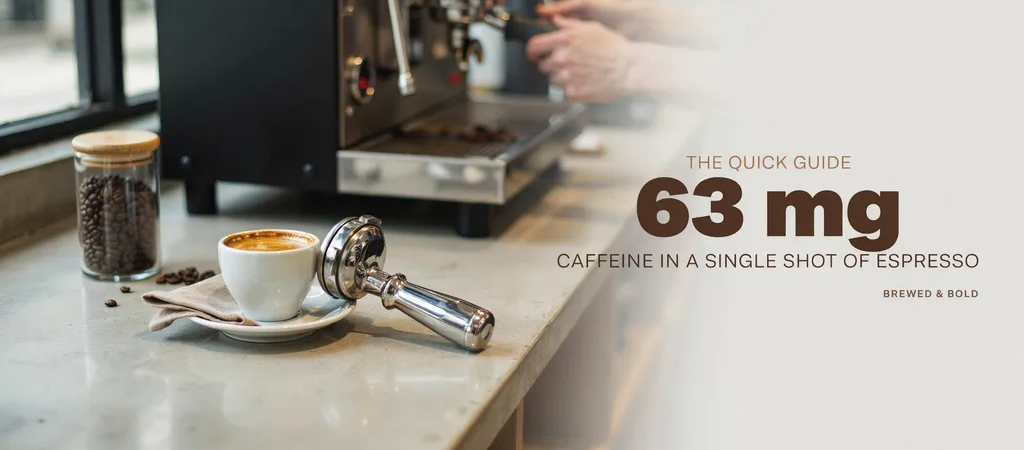
Have you ever wondered How Much Caffeine in a Shot of Espresso gives you that quick morning boost? A standard single shot of espresso contains about 63 milligrams of caffeine. That is a lot of energy packed into a very tiny cup! When people ask how much caffeine in a shot of espresso, they are usually surprised by how strong it is compared to regular drip coffee. Even though the cup is small, the coffee grounds are packed tightly together. Hot water pushes through them very quickly. This pulls out a huge amount of flavor and caffeine all at once. If you love visiting local coffee shops, understanding this little drink helps you pick the right beverage for your day. Let us explore everything you need to know about espresso caffeine levels in a fun and simple way.
What Exactly Is a Shot of Espresso?
Many coffee drinkers get confused about what makes espresso different from regular brewed coffee. An espresso is not a special type of coffee bean. Instead, it is a special way of making coffee. Baristas use a heavy machine to push hot water through finely ground coffee beans under high pressure. This creates a rich, dark liquid with a creamy, light brown foam on top called crema. Because the water touches the coffee grounds for only a few seconds, the flavor is very bold and strong. When you measure how much caffeine in a shot of espresso, you are looking at a serving size of just one ounce. That tiny one-ounce drink packs a serious punch that wakes you up faster than a big mug of tea.
Breaking Down the Numbers: Single vs. Double Shots
When you order at a coffee shop, you usually get a double shot, also known as a doppio. So, how much caffeine in a shot of espresso versus a double shot? A single shot gives you roughly 63 milligrams of caffeine. A double shot doubles that amount to about 125 milligrams. Some large specialty drinks might even use three or four shots! If you are sensitive to caffeine, knowing these numbers helps you stay calm and avoid the jitters. My personal rule of thumb is to stick to a single shot in the afternoon so I can still sleep well at night. Paying attention to whether your drink is a single or a double is the best way to manage your daily caffeine intake.
Espresso Versus Regular Drip Coffee
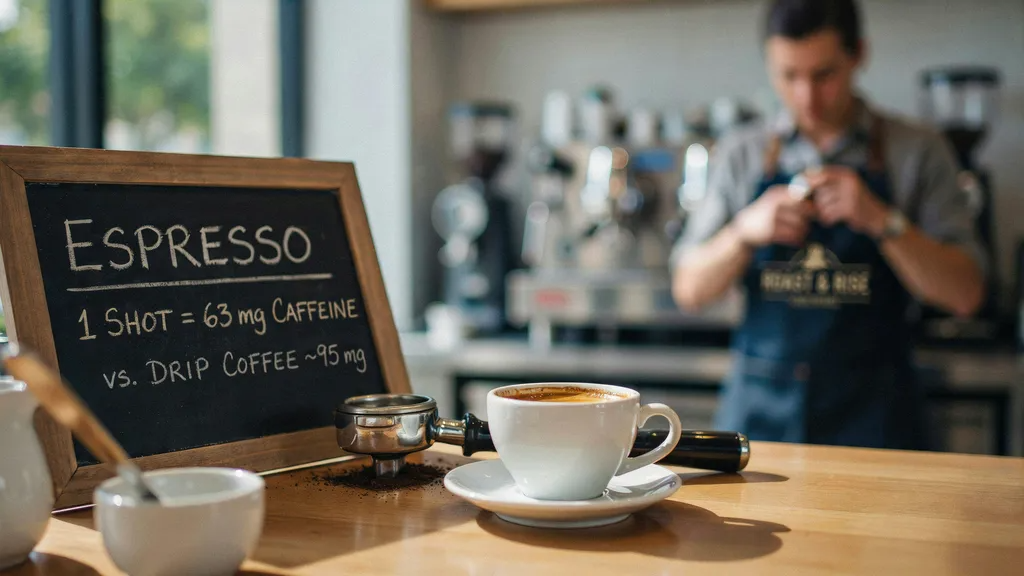
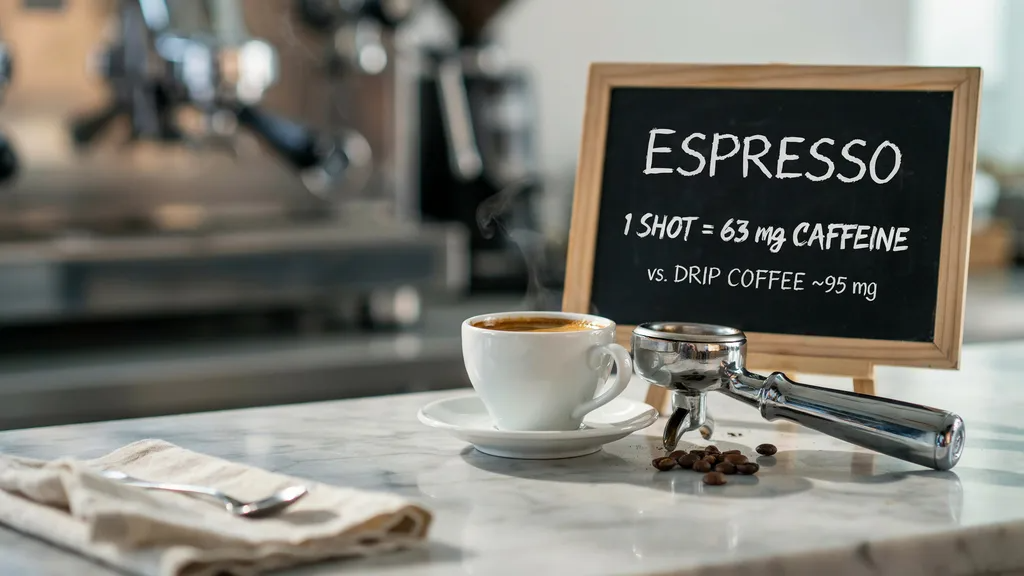
People often think espresso has more caffeine than regular coffee because it tastes so strong. Surprisingly, a standard eight-ounce mug of drip coffee actually has more total caffeine than a one-ounce shot of espresso. A regular mug usually has about 95 to 140 milligrams of caffeine. However, if you compare them by volume, espresso is much stronger. Ounce for ounce, espresso has way more caffeine than drip coffee. When thinking about how much caffeine in a shot of espresso, remember that you drink it much faster. Drinking a large mug of coffee takes time, but you can swallow a shot of espresso in just one gulp. That is why it hits your system so fast!
Why Caffeine Levels Can Vary Every Time
No two cups of espresso are ever exactly the same. You might wonder why how much caffeine in a shot of espresso changes from one cafe to another. Several hidden factors change the final amount of caffeine in your cup. The type of coffee bean matters a lot. Arabica beans have less caffeine, while Robusta beans have nearly double the amount. The roast level, the grind size, and even the water temperature also play big roles. Even the barista pressing the grounds into the machine can change the result. When I make espresso at home, I notice that packing the coffee tighter makes the drink taste stronger and gives me a bigger energy boost.
Understanding Arabica and Robusta Bean Differences
The beans you choose change the answer to how much caffeine in a shot of espresso. Coffee shops mostly use two main types of beans: Arabica and Robusta. Arabica beans taste sweet and smooth, and they are very popular around the world. Robusta beans taste stronger and a bit bitter, but they grow easily and have way more caffeine. If a cafe uses a blend with Robusta beans, your shot of espresso will give you a much stronger buzz. Knowing your beans is a fun way to become a true coffee expert. Next time you buy coffee beans at the grocery store, check the bag to see which type of bean is inside!
How Your Body Absorbs Espresso Caffeine
Have you ever felt a sudden rush of energy right after drinking your morning coffee? That happens because liquid enters your stomach and gets absorbed into your bloodstream very quickly. When you ask how much caffeine in a shot of espresso, you also want to know how fast it works. Because an espresso shot is so small, your body processes it in just a few minutes. You might feel more awake, focused, and ready to tackle your chores. But remember that everyone’s body is different. Some people can drink espresso right before bed and fall asleep easily, while others feel wide awake for hours from just one small sip.
Decaf Espresso: Does It Have Any Caffeine?
If you love the rich taste of espresso late at night, you might choose decaf. But does decaf mean zero caffeine? When checking how much caffeine in a shot of espresso that is decaf, the answer is usually very low, but not completely zero. A decaf shot typically contains about 2 to 4 milligrams of caffeine. Special water processes remove almost all the caffeine from the green coffee beans before roasting them. This means you can enjoy a cozy evening latte without worrying about staying awake all night. It is a wonderful option for anyone who loves the warm, comforting flavor of coffee without the buzz.
Comparing Espresso to Other Popular Caffeinated Drinks
It helps to see how espresso stacks up against your other favorite beverages. People often compare how much caffeine in a shot of espresso to drinks like tea, soda, and energy drinks. A standard cup of black tea has about 50 milligrams of caffeine, which is close to a single espresso shot. A typical can of cola has around 30 to 40 milligrams. On the other hand, some large energy drinks can pack over 150 milligrams into a single can! Espresso sits right in the middle. It gives you a clean, reliable boost without needing to drink a massive, sugary soda or a giant can of chemicals.
Signs You Might Be Drinking Too Much Espresso
Coffee is delicious and helpful, but too much of a good thing can cause problems. If you consume too much caffeine, your body will let you know. When tracking how much caffeine in a shot of espresso, keep an eye out for warning signs like jittery hands, a racing heartbeat, or feeling anxious. You might also find it hard to concentrate or fall asleep at night. Health experts suggest keeping total daily caffeine under 400 milligrams for healthy adults. That equals about three or four double shots of espresso. Listening to your body is the smartest way to enjoy your favorite daily brew safely.
Fun Ways to Enjoy Espresso at Home
You do not need to visit a fancy coffee shop to enjoy a great shot of espresso. Many coffee lovers buy small espresso machines for their kitchens. When you make it at home, you can experiment to see how much caffeine in a shot of espresso fits your personal taste. You can pour your shot over ice and milk for a refreshing iced latte. Or, you can add hot water to make a rich Americano. Trying different recipes is a fantastic hobby. My favorite weekend treat is adding a tiny splash of vanilla syrup to a warm double shot of espresso for a cozy morning reward.
Frequently Asked Questions
Does a darker roast have more caffeine than a light roast?
Many people think dark roast coffee has more caffeine because it tastes bolder. However, light roast and dark roast actually have very similar amounts of caffeine when measured by weight. The roasting process burns off a tiny bit of moisture, but the core caffeine level stays close to the same.
Can pregnant women safely drink espresso?
Health guidelines generally suggest that pregnant women limit their total daily caffeine intake to under 200 milligrams. Since a single shot of espresso has about 63 milligrams, drinking one small shot per day usually fits within that safe limit, but you should always talk to your doctor first.
Why does espresso have a layer of foam on top?
That creamy foam is called crema. It forms naturally when the espresso machine pushes hot water through finely ground coffee under high pressure. The pressure releases tiny air bubbles and natural oils from the coffee beans, creating that beautiful golden layer.
How long does the caffeine from espresso stay in your body?
Caffeine has a half-life of about three to five hours in healthy adults. This means that half of the caffeine is still in your system three to five hours after you finish your drink. That is why having an espresso late in the afternoon can sometimes ruin your night’s sleep.
Is espresso harder on your stomach than regular coffee?
Some people find that espresso is easier on their stomach, while others think it causes more acid reflux. Because espresso is brewed much faster than drip coffee, it extracts fewer bitter acids from the beans, which makes it smoother for certain sensitive stomachs.
Can I use regular coffee beans to make espresso?
Yes, you can! Any coffee bean can be used to make espresso as long as it is ground very fine. However, beans labeled specifically as “espresso roast” are usually roasted a bit longer to give you that classic, bold, and smoky flavor that pairs well with milk.
Conclusion
Understanding how much caffeine in a shot of espresso helps you make smart choices for your daily routine. With about 63 milligrams in a single shot and 125 milligrams in a double, espresso is a quick and powerful way to wake up your mind. Whether you love a morning cappuccino, an afternoon Americano, or a fun iced coffee treat, knowing your numbers keeps you feeling great. Try experimenting with different beans and recipes at home to find your perfect cup. What is your favorite way to enjoy espresso? Drop a comment below and share your coffee routine with us today!