
A conjugal visit is a special time for an inmate to spend private hours with their spouse. In many places, these are now called “extended family visits.” The main goal is to help families stay close. Maintaining a bond during prison time can be very hard for couples. When a partner is locked away, the whole family feels the distance. These visits offer a rare chance to sit, talk, and reconnect in private. They help keep the family unit strong during a very difficult life chapter.
What Exactly Is a Conjugal Visit?
A conjugal visit is a scheduled time for a prisoner to meet privately with a legal partner. These meetings happen in special rooms or small cabins on prison grounds. Unlike regular visits behind glass, these provide real, private time together. They are not just about intimacy; they are about keeping a marriage alive. Many people see this as a way to hold on to normal life. It provides a sense of hope while someone is serving their sentence.
Are They Available Everywhere?
Many people ask if every prison offers a conjugal visit. The answer is no. In the United States, very few states still allow them. Currently, only California, Connecticut, New York, and Washington have such programs. Most other states ended these programs years ago due to costs or public pressure. If you are looking into this, always check the specific state laws. Policies change often, and rules are very strict for every facility.
Is It a Right or a Privilege?
It is very important to know that a conjugal visit is a privilege, not a right. Courts have ruled that inmates do not have a constitutional right to this. Prisons treat these visits as a reward for good behavior. If an inmate follows all the rules, they might earn this chance. However, if there is any bad behavior, the privilege can be taken away quickly. It serves as a strong motivator for inmates to stay out of trouble.
The Role of Good Behavior
To qualify for a conjugal visit, an inmate must have a clean record. This means no violence and no major rule-breaking. Prisons look at how the inmate behaves daily. They want to see that the person is trying to improve themselves. Most facilities require a long period of good behavior before even considering an application. If there are any disciplinary issues, the request for a private visit will likely be denied.
Who Can Participate?
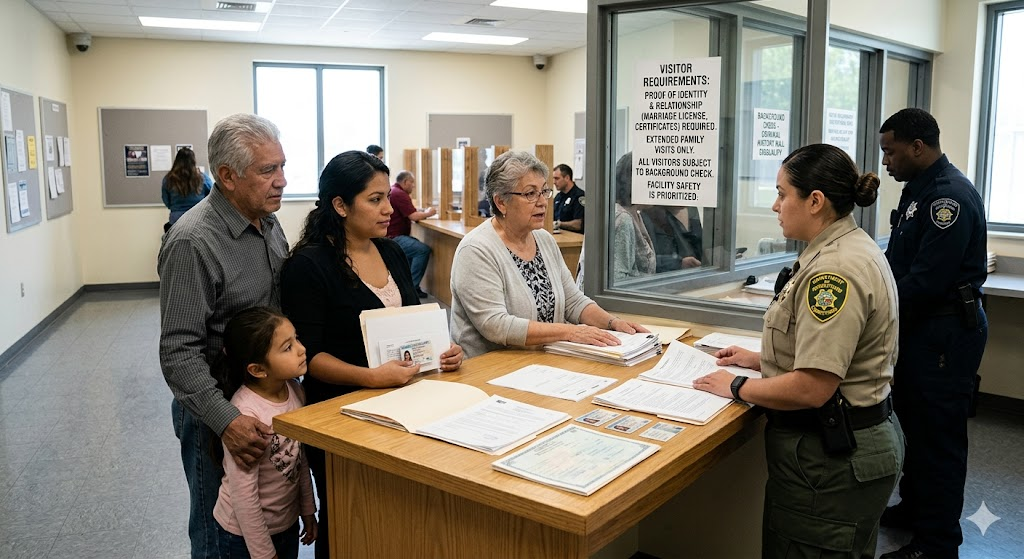
Generally, only a legal spouse can participate in a conjugal visit. Some states also allow children or parents to join for an “extended family visit.” There is a long list of background checks for the visitor. You must prove your identity and your relationship to the inmate. Any history of criminal activity by the visitor can stop the process. The safety of the prison is always the number one concern for staff.
The Importance of Family Bonds
Research shows that family support is vital for someone in prison. When an inmate keeps a conjugal visit routine, they often feel more connected to the world. This connection can reduce stress and sadness. It also helps the inmate feel like they still have a home to return to. These visits are a bridge back to society. They remind the person that they are loved and still a part of a family.
Impact on Recidivism
Did you know that these visits might lower crime rates? Studies suggest that inmates who maintain family ties are less likely to reoffend. A conjugal visit helps keep the person focused on their future. It gives them a reason to work hard toward their release date. When someone feels they have a stable family waiting for them, they are more motivated to succeed. It is a powerful tool for long-term rehabilitation.
Security and Supervision
Even though a conjugal visit is private, it is still very controlled. Before the visit, both the inmate and the guest are searched. No contraband, like drugs or phones, is allowed. The facility monitors who comes and goes to ensure total safety. While the couple has privacy, they must still follow the prison’s strict code of conduct. Security remains the top priority throughout the entire duration of the stay.
A Shift Toward Family Time
Many states have moved away from the term conjugal visit. They now prefer “extended family visits.” This highlights the importance of the whole family, not just the couple. It allows parents to spend quality time with their kids in a relaxed setting. These programs aim to normalize family interaction as much as possible. This shift helps soften the harsh reality of being behind bars.
How to Apply for a Visit
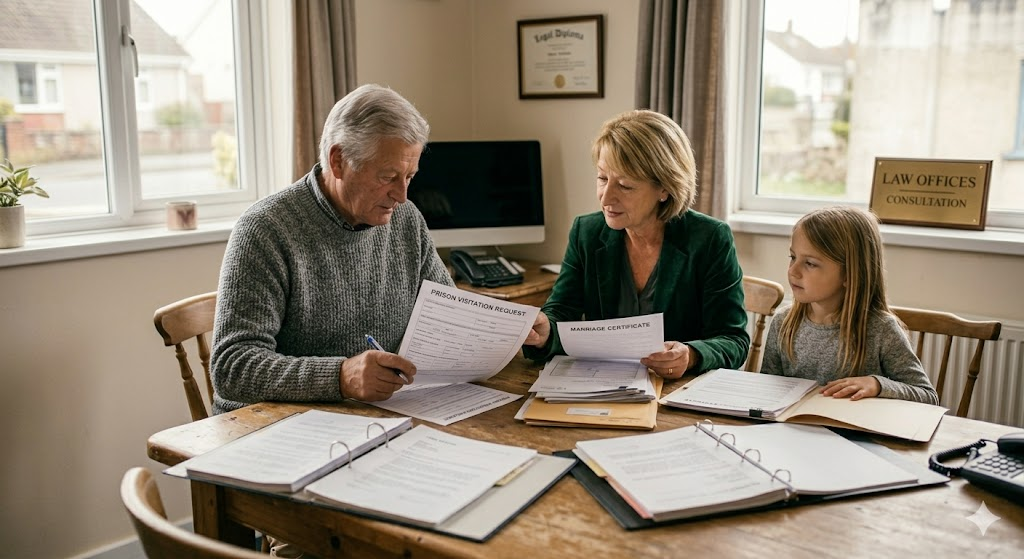
If you want to request a conjugal visit, start by contacting the prison. Every facility has its own application forms and requirements. You will need to provide marriage certificates and pass a background check. Be prepared for a long and detailed paperwork process. Patience is key because approvals can take several months. Always consult with a lawyer if you are unsure about the specific rules in your state.
Understanding the Details
| Feature | Details |
| Primary Purpose | Strengthening family bonds and emotional support. |
| Eligibility | Usually requires a legal marriage and clean prison conduct. |
| Available Locations | Limited; check state-specific laws (e.g., CA, CT, NY, WA). |
| Common Terminology | Often called “Extended Family Visits.” |
| Application Process | Requires extensive background checks and paperwork. |
Frequently Asked Questions
1. Can unmarried partners have a conjugal visit?
Most states require proof of a legal marriage to qualify for a conjugal visit. Unmarried partners rarely qualify for these private, extended sessions.
2. How long do these visits last?
The length of a conjugal visit varies. It can be a few hours or an entire weekend, depending on the state’s specific program.
3. Are there crimes that disqualify an inmate?
Yes. Inmates convicted of sex offenses or domestic violence are almost always barred from participating in these programs.
4. Is privacy guaranteed during the visit?
Yes, while the prison maintains security, the couple is given a private space to interact without constant guard supervision.
5. Do I need to be a lawyer to apply?
No, you do not need a lawyer to apply, but it can be helpful to speak with one to understand the specific legal requirements.
6. Do all states allow these visits?
No, only a small number of states still have programs that allow for private, extended family visits.
Conclusion
The conjugal visit remains a complex but important topic in our prison system. While these programs are not available everywhere, they play a huge role for families trying to stay connected. By focusing on love and family bonds, these visits can truly help someone on their journey toward release. Do you have a personal experience or a question about how these visits impact rehabilitation? Let us know in the comments below!