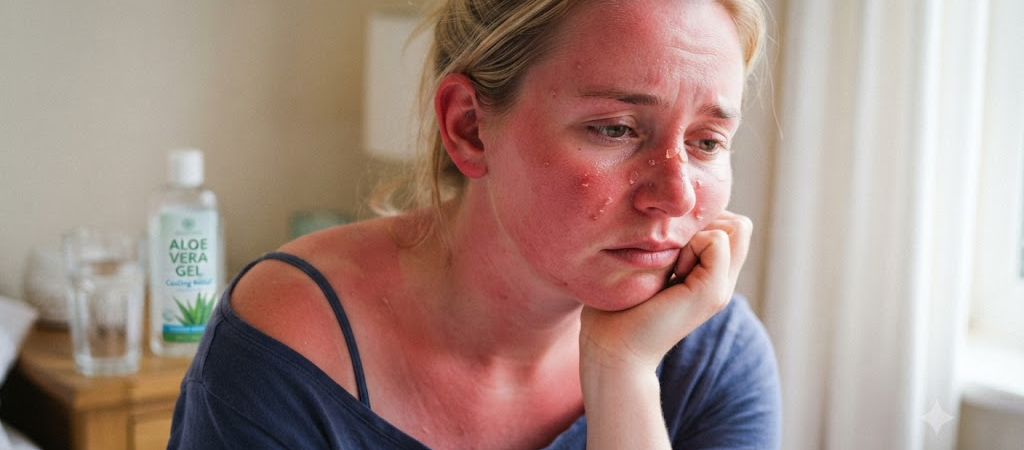
Have you ever spent too long in the sun and felt worse than a normal sunburn? You might have what people call Sun Poisoning. This is not actually poison from a plant or chemical. Instead, it is a very severe form of sunburn. Your skin becomes red, painful, and very sensitive to touch. Sometimes, it can even make you feel sick all over. It happens when your skin gets too much ultraviolet (UV) radiation from the sun. Understanding this condition is the first step to staying safe outdoors. It is important to know that this can happen to anyone, even on days that do not feel super hot. Taking care of your skin is a great way to enjoy the warm weather without any scary health surprises.
Recognizing the Signs
The symptoms of sun poisoning are much more intense than a standard red glow. You might notice your skin looking very red, swollen, or even blistered. It is common to feel feverish, dizzy, or have a headache. Some people also feel like they have the flu, with chills or an upset stomach. If you see tiny bumps or a rash, this is another clear sign that you have had too much exposure. Do not ignore these body signals. Your body is trying to tell you that it needs a break from the light. Watching for these red flags helps you stop the damage before it gets even worse for your skin health.
Why Does It Happen?
Sun poisoning happens because your skin gets overwhelmed by UV rays. These rays damage your skin cells very quickly. When this happens, your body starts an inflammatory response to fix the area. This is why you feel heat and pain. Factors like being near the water or sand can make it worse. These surfaces reflect the sun’s rays right back onto your skin. Also, being at a high altitude can increase your risk because the atmosphere is thinner there. It is not just about the temperature outside. Even on a cool, cloudy day, those rays can reach your skin and cause major irritation. Being aware of your surroundings is key.
Immediate Steps for Relief
If you think you have sun poisoning, you need to act fast. First, get out of the sun immediately. Find a cool, shaded spot or go inside. Taking a cool shower or bath can help calm your burning skin. Avoid hot water, as it will only make the pain worse. Wear loose, soft clothes that let your skin breathe. Tight fabrics will rub against your blisters and cause more hurt. Drinking plenty of water is also very important. Your body loses a lot of fluid when it is dealing with a severe burn. Staying hydrated helps your skin heal much faster from the inside out.
Using Cold Compresses
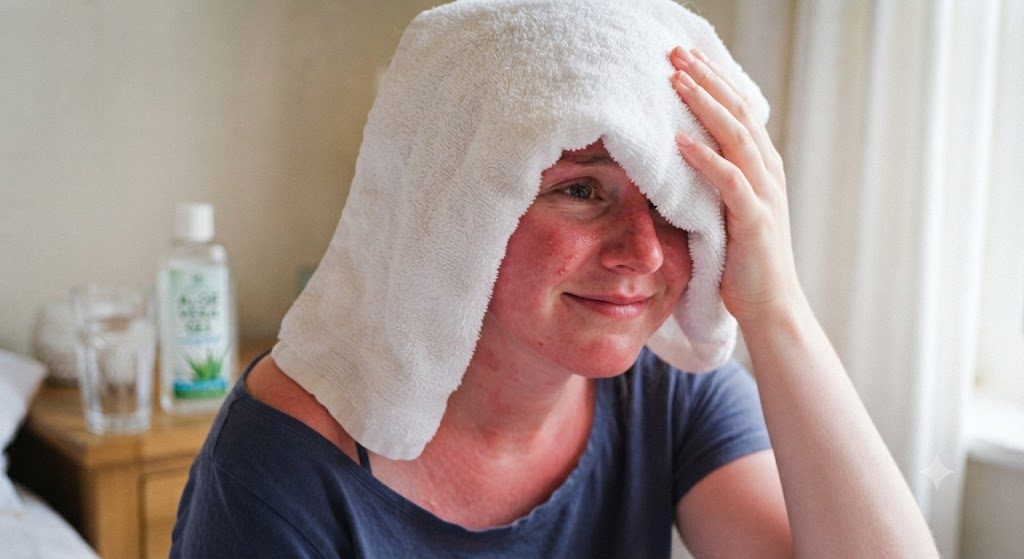
A simple cold compress is one of the best ways to find relief. Take a soft towel and soak it in cold, clean water. Gently place it over the area that hurts the most. You can do this several times a day to keep the skin cool. The water helps take the heat out of your skin almost instantly. It is a very easy and natural way to manage the swelling and discomfort. Make sure the towel is clean to prevent any germs from getting into your skin. If you are worried about the pain, this is usually the first thing that brings a smile back to your face.
Managing Blisters Safely
Blisters are a common part of severe sun damage. It is very tempting to pop them, but you must not! Breaking a blister opens your skin to infections. Your body uses the fluid inside to protect the raw skin underneath as it heals. If you have a large blister that breaks on its own, clean it very gently with mild soap and water. You can apply a tiny bit of antibiotic ointment to keep it clean. Cover it with a loose bandage if you need to, but try to let it air out when you are resting. Patience is your best friend when healing blisters.
When to See a Doctor
Sometimes, sun poisoning is too serious to treat at home. If you notice signs of severe dehydration, like not peeing, you should call a doctor. A very high fever or extreme confusion is also a reason to get medical help right away. If your face is very swollen or you feel like you might faint, please seek professional care. Do not try to be a hero if you feel truly sick. It is always better to be safe than sorry. Doctors can provide extra help to make sure you recover well and avoid any lasting skin damage. Your health is the most important thing.
Protecting Your Skin Daily
Prevention is the best way to avoid sun poisoning in the future. Always wear sunscreen with at least SPF 30 every single day. Apply it generously and reapply every two hours if you are outdoors. Wearing a wide-brimmed hat and sunglasses gives you extra protection for your face and eyes. Try to stay in the shade during the middle of the day. This is when the sun is strongest and most likely to cause harm. Choosing the right clothing, like long sleeves, can also help. Making these small habits part of your daily routine will keep your skin looking and feeling healthy.
The Role of Hydration
We often forget how much sun affects our need for water. Sun poisoning can lead to dehydration very quickly. When your skin is damaged, it cannot hold moisture as well as it usually does. You must drink extra water throughout the day. If you are an athlete or love being active, you might need even more. Electrolyte drinks can be helpful if you have been sweating a lot. Keep a water bottle with you wherever you go. Being hydrated supports your immune system and helps your skin repair itself. Think of water as the fuel your body needs to fix the damage.
Natural Soothing Methods
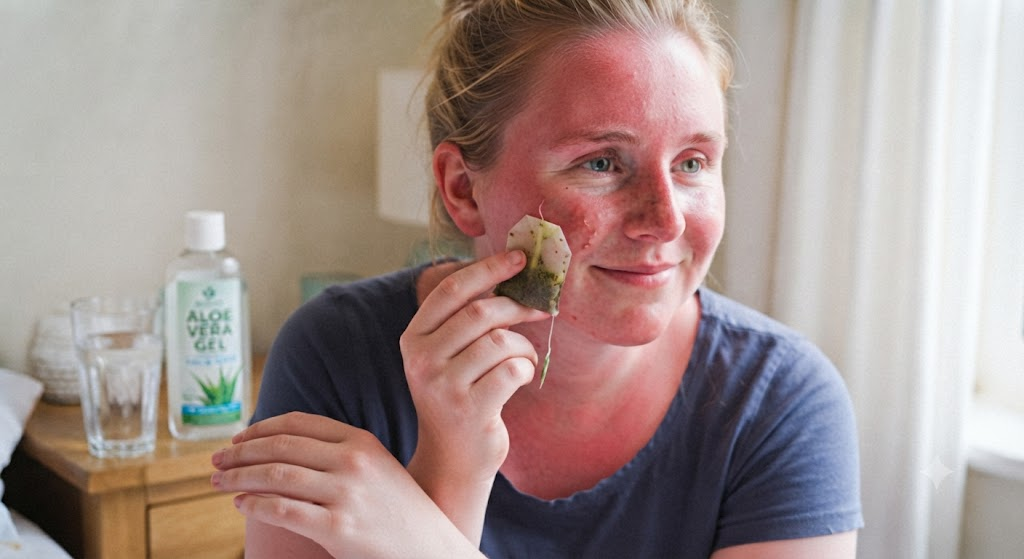
Besides cold water, there are other ways to soothe your skin. Pure aloe vera gel is a favorite for many people. It feels cool and helps calm the redness. Keep a bottle in the fridge for an extra chill effect. Avoid products with heavy perfumes or alcohol, as these will dry out your skin even more. Some people find that a cool tea bag can help specific spots. Just remember to be very gentle when applying anything to your skin. If your skin feels super tight or itchy, a simple moisturizer can help. Focus on keeping things simple, clean, and very cool.
Conclusion
Sun poisoning is a painful reminder to respect the power of the sun. By taking simple steps, you can enjoy your time outside without the worry of a bad burn. Always remember to wear your sunscreen, drink lots of water, and listen to your body. If you ever feel those warning signs, stop what you are doing and find some shade immediately. Your skin will thank you for the extra care and attention! Have you ever had a bad sunburn experience? We would love to hear your tips for staying cool and protected in the comments below. Stay safe, have fun, and keep glowing with healthy, protected skin!
Frequently Asked Questions
1. How long does sun poisoning last?
Most cases of sun poisoning start to feel better within a few days. However, severe cases can take a week or more to fully heal.
2. Is sun poisoning the same as sunstroke?
No, they are different. Sun poisoning refers to a severe skin reaction, while sunstroke is a dangerous condition where your whole body overheats.
3. Can I use butter on a sun-poisoned area?
Please do not use butter! It traps heat inside your skin and can cause an infection. Use cool water or aloe vera instead.
4. Should I wear makeup if I have sun poisoning?
It is best to avoid makeup. Your skin needs to breathe and heal. Heavy products can block your pores and cause more irritation.
5. How can I tell if my blister is infected?
If you see yellow fluid, extra redness, or if the area feels very hot and painful, it might be infected. See a doctor if this happens.
6. Does sun poisoning leave scars?
If you pick at the blisters or don’t let them heal, it might leave a mark. If you take good care of your skin, it should heal just fine.